"I'm having trouble remembering what I studied for my test," or "I blank out on test questions."
If this is you, get some tips + the 5-step study system 👇
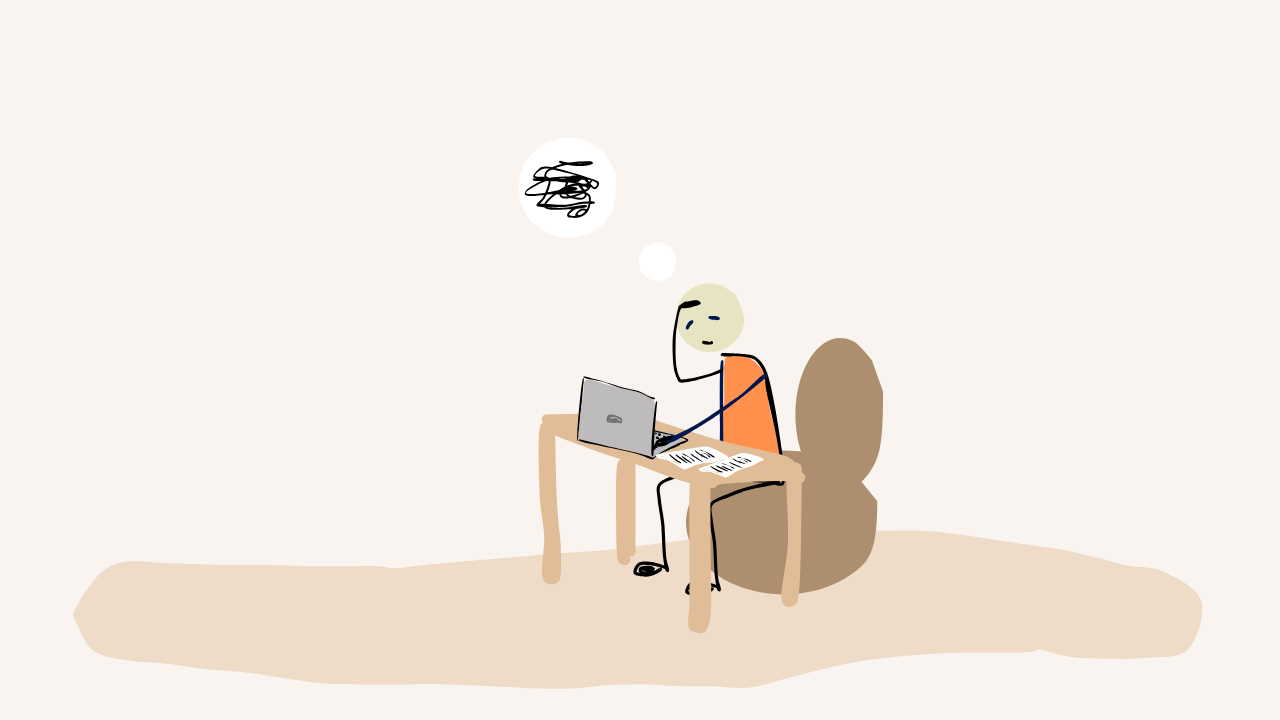
You need to know a few things as a start
-
This is a VERY common problem amongst students
-
It's also not because your brain doesn't work
-
And it's not because you have a bad memory
This happens because...
- You're using 'passive' study methods instead of 'active' study methods.
- You may have never been taught the difference between passive and active study.
What's 'passive' study anyway?
- It's a really common way we all study.
- It includes study methods such as...reading, highlighting, re-reading and copying information.
- It also includes staring at notes and mind maps, or just passively staring at lectures and class videos.
- Basically, if you're not 'doing anything' with the information, it's just passive study.
- Why do we do it? Reviewing notes feels familiar, and the brain recognises the information, but recognising information isn't the same as being able to pull that information back out under test pressure.
What's the solution?
- You need to be more 'active' as you study. This doesn't mean walking around as you study. Here's some examples....
- Try actively asking yourself questions from your notes, and answering them without looking.
- Recreate your notes without looking at your notes.
- Do practice problems.
- Teach someone else the information or even an imaginary person.
- There really is a lot more ways though...
What do all these 'active' study methods have in common?
- They practice pulling information out of your brain. Like a test does.
- The act of pulling the information out, builds memory pathways.
- The information has a better chance at becoming part of your long term memory, which helps you in exams.
- And it won't matter how an exam question is worded, you will know how to answer it.
What else can I do?
- There's a lot more to studying than 'active' study methods though.
- You also need to know how to choose a method for your different subjects.
- And you also need to know how to 'QUESTION' what you're learning, so you know what you need to learn and how to study it.
- That's why the QUEST Study Skills framework was developed, a system that has supported students as early as 2011, designed to be a step-by-step system for students to follow easily.
Why I created ✨QUEST Study Skills✨
"After working with students since 2011, I kept seeing the same pattern.
Many students were working hard, but they had never actually been taught HOW to study effectively. They were writing pages of notes, highlighting textbooks, and rereading chapters because that's what they thought studying was.
The problem wasn't effort. It was that no one had shown them HOW learning actually works.
That's why I created the QUEST Study Skills Framework, a simple five-step system that gives students a practical approach they can use across every subject."
Denise Qvist - QUEST Study Skills Author and Coach
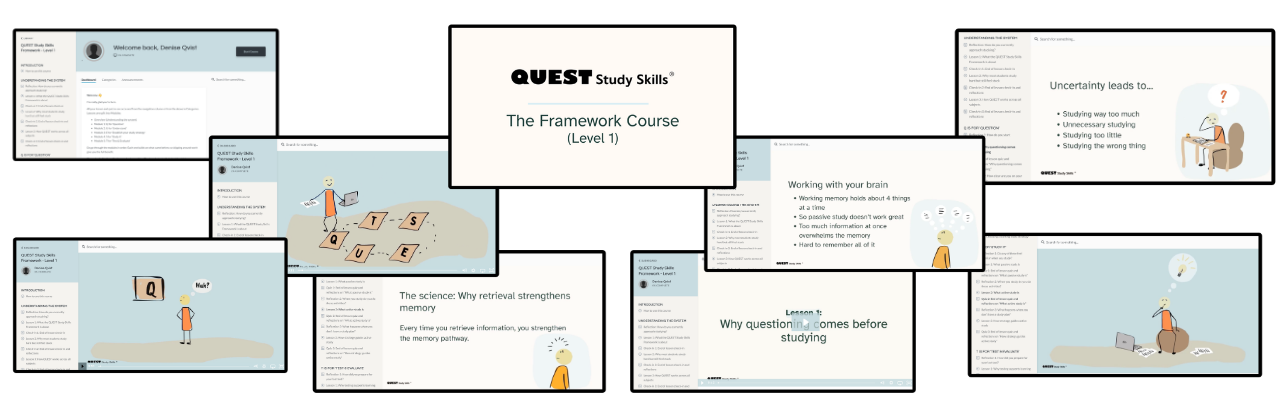
Want to learn the complete system?
- work out what you need to learn
- organise information so it makes sense
- choose study methods that suit the task
- prepare for tests with more confidence
- check whether you are genuinely ready
Level 1 brings the complete five-step system together in one practical, self-paced course, designed for students to complete independently.
Enrol in the Level 1 Course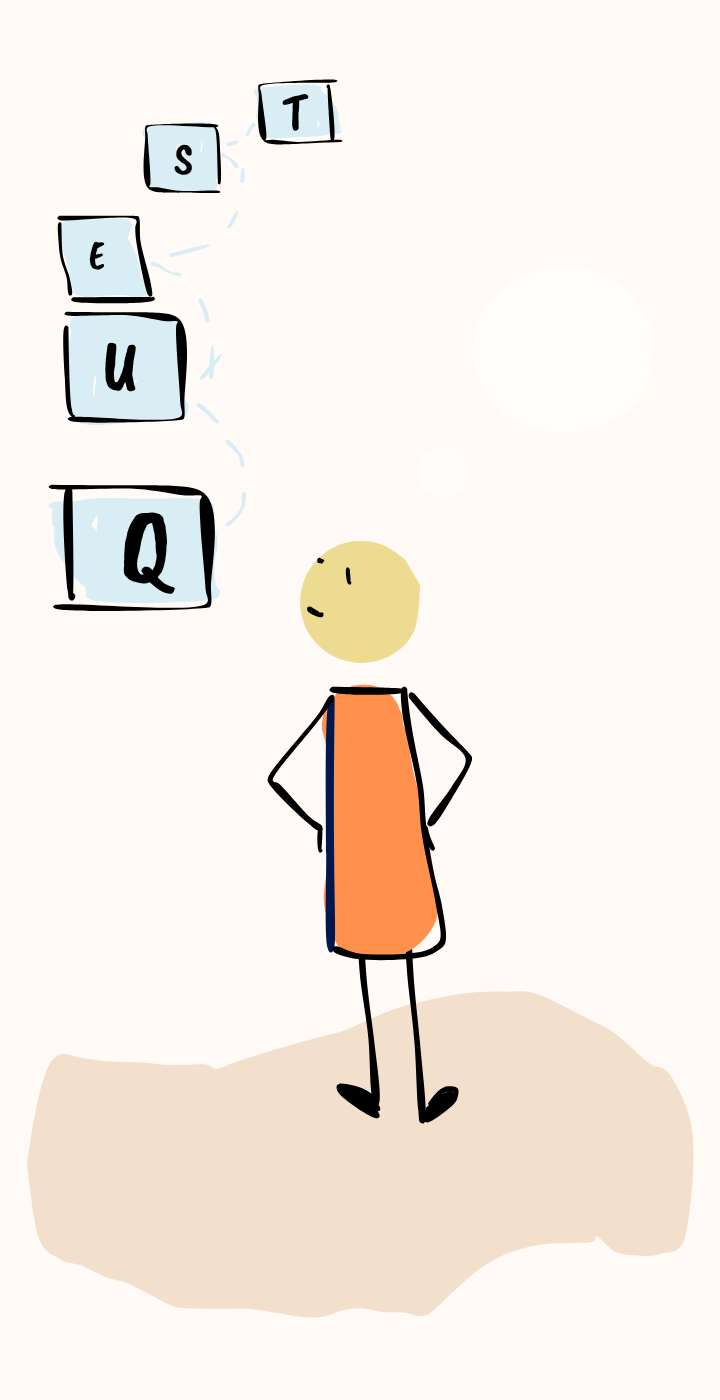
The QUEST framework, a step-by-step system
This is exactly what the QUEST Study Skills framework helps with, step by step. Following this system, makes studying and learning, so much more manageable and a great deal easier. Here's the steps:
Q - Question
Before studying, get clear on what you're actually supposed to learn.
U - Understand
Bring everything together with a system, such as notes, handouts, and homework, so it makes sense, and ensure it is ‘connected’.
E - Establish your strategy
Choose how you're going to study, based on your brain, your subject and your goal, instead of just doing what you’ve seen others do.
S - Study it
This is where reading turns into testing. Instead of just looking at notes again, you study actively. There are many methods for active study.
T - Test and evaluate
Check what you can actually remember without looking at the notes, before a real test. Then finally evaluate your method to improve for the next time.
Who this course is for?
- Students feeling stuck with their current study approach
- Anyone preparing for senior high-school years or early university
- Students who've tried "study tips" before and been disappointed
- Students who feel overwhelmed by information
- Students who have studied but feel they forget what they studied for tests
- Students who don't really have a proper strategy for their study
- Parents wanting to help their teenager study effectively
What's involved in this course?
Duration: 5-6 hours, at your own pace
Format: Online, self-directed, video lessons, reflection prompts, quizzes
Access: Lifetime, review as often as you need
Suitable for: Students in high-school and/or early university
What you need: A computer or phone device to access lessons
A special Offer: $56 ✨ SPECIAL OFFER $28✨ Just for a limited time.
What will you learn in this course?
Course Modules in detail
QUEST Study Skills System - Level 1 helps students understand the principles of effective studying before you waste time on tactics that don't work. You'll learn the what and the why of the five-step QUEST framework across five modules.
Q - Question what needs to be learned
In this module, students learn:
- Why questioning comes before studying
- What questions effective students ask early
- How to turn tasks and topics into clear study questions
You will understand: Why clarity at the start saves hours of wasted effort later.
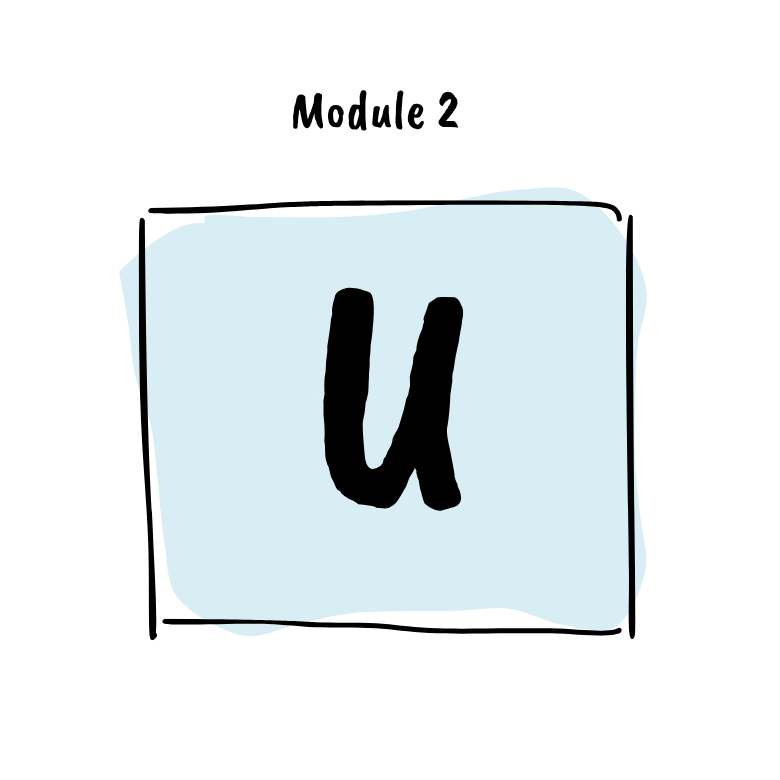
U - Understand information
In this module, students learn:
- The difference between memorising and understanding
- What a topic map is and how it helps
- How to deal with the scattered notes problem
You will understand: Why understanding comes before memorising, and how to tell the difference.
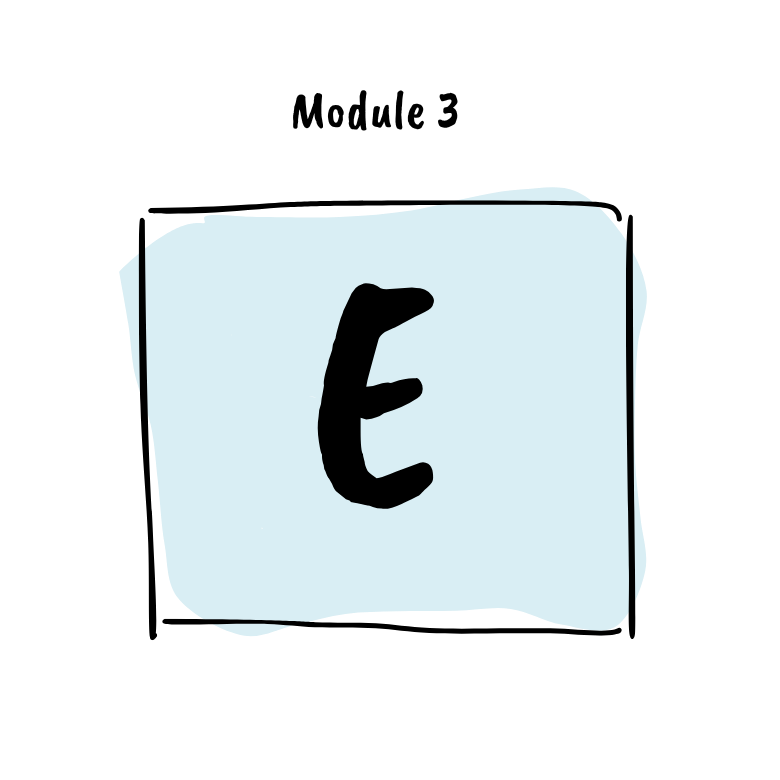
E - Establish your study strategy
In this module, students learn:
- Why copying others' methods often fails
- What learning preferences are and how they work
- What it means to choose a starting strategy
You will understand: How to make deliberate strategy choices instead of random guesses.
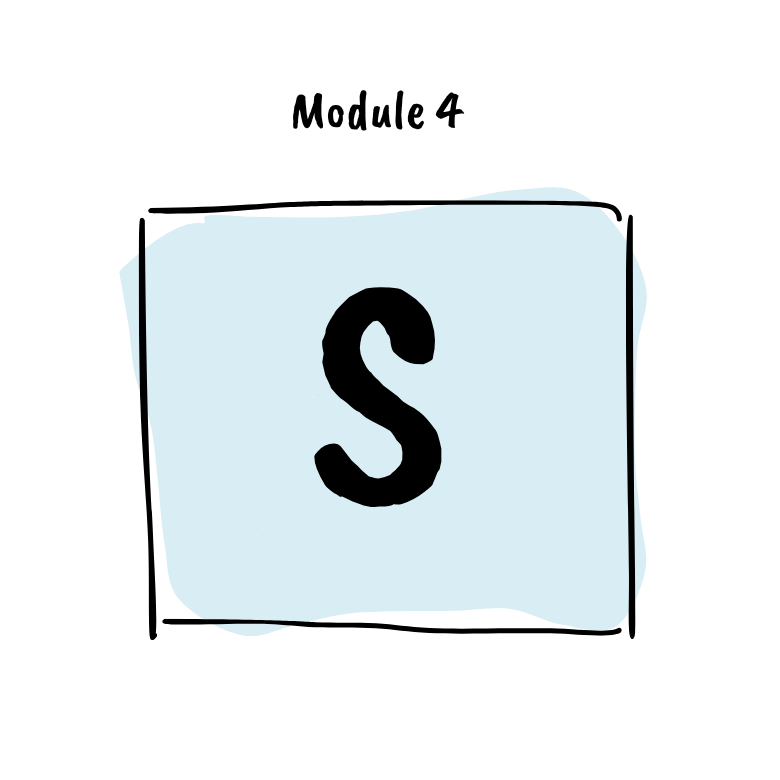
S - Study it
In this module, students learn:
- The difference between passive and active study
- Why active study feels harder but works better
- How your strategy guides how they study
You will understand: What effective studying actually looks like, and why effort alone isn't enough.
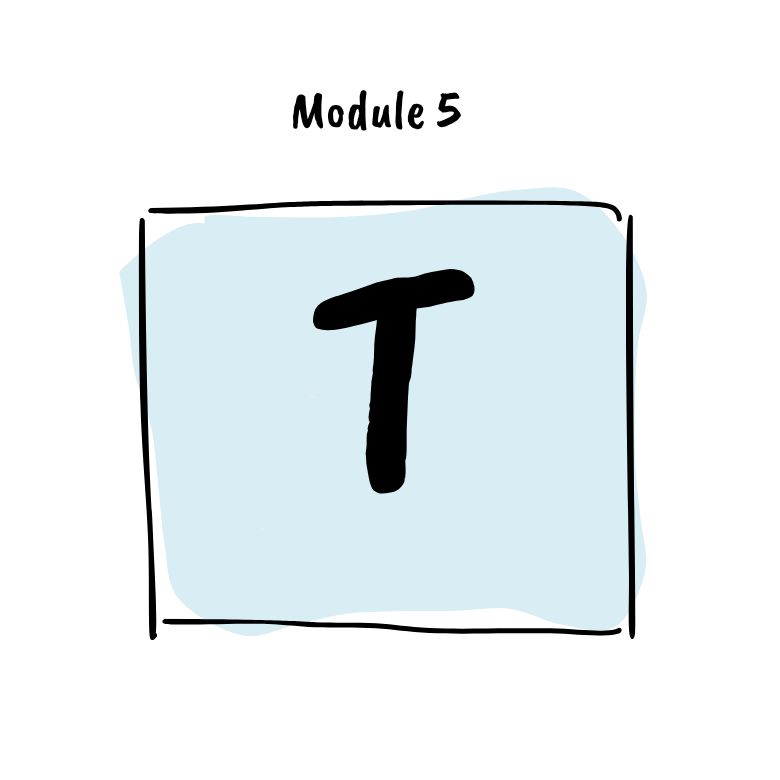
T - Test and Evaluate
In this module, students learn:
- Why testing themselves improves learning
- What testing actually means (not just formal exams)
- How to evaluate their approach and keep improving
You will understand: How testing completes the QUEST cycle, so you can repeat it.

After completing Level 1, students have:
- A simple five step system they can remember and apply
- Clear understanding of why some study methods fail
- A reusable framework they can apply to any subject
- Confidence in how they study with a proper study strategy
- A new way of thinking about learning they can apply to the rest of their learning years
- A proven system, grounded in well-established learning science
What students have said about QUEST Study Skills

Angela, Year 10
"I learned new techniques that I may apply within my school work and assignments. The most helpful part was probably the part where we learnt about how we should tackle certain problems and the tips we could use."

Andy, Year 11
"It's great! I've learned a lot and now I finally know how to manage myself properly... Quest Study Skills did help me a lot, especially in the part where we should manage our time well."

Jasmine, Year 10
"I usually get bad grades but after doing the study skills I have noticed that my grades have changed from C-D to A-B. I manage my time and I don't need to stress over not finishing my assignments on time."

Nicole, Year 10
"I find this course very useful. Personally, I think it will improve my study skills and also my time management. Denise has made this class / course enjoyable and fun than I expected. I have gained a lot of knowledge from these lessons."
Who created QUEST Study Skills?
About Denise
I’m Denise Qvist, the educator and study coach behind QUEST Study Skills.
Since 2011, I have taught study skills and English, including IELTS. I have also worked as a portfolio Product Manager in online education, partnering directly with universities to develop new and existing postgraduate programs that met student needs, academic learning outcomes and changing workforce demands.
I have completed further professional study in educational neuroscience through an ExpertTrack developed by CQUniversity and delivered through FutureLearn. This strengthened my understanding of how students learn, remember and retrieve information, and has directly influenced the content and learning experience within QUEST Study Skills.
I created the QUEST Study Skills Framework after seeing the same problem repeatedly. Capable students were putting in the effort, but many had never been taught how to study effectively. QUEST gives them a clear, practical system they can use across different subjects and throughout school. I strongly believe that when young people build capability and confidence early, they carry those skills into the rest of their lives.